
Nutrition Tips for a Healthier Heart

Heart disease is still the leading cause of death in the U.S., but a lot of that risk comes down to things you can actually change. What you eat every day either helps your heart or works against it. A heart healthy diet isn't about perfection or cutting out every food you love. It's about building habits that lower your blood pressure, improve your cholesterol, and keep your blood vessels working the way they should.
What a Heart Healthy Diet Actually Looks Like
Forget the idea that you need a complicated meal plan. A heart healthy diet is really just a pattern of eating that favors whole foods over processed ones, and plants over heavily packaged products. That means more vegetables, fruits, whole grains, beans, nuts, and lean proteins like fish and poultry. It means less red meat, less fried food, and far less added sugar and sodium.
None of this requires giving up flavor. Herbs, spices, citrus, garlic, and good olive oil can replace a lot of the salt and butter that heart-unhealthy recipes rely on.
Cut Back on Sodium Without Overthinking It
Most excess sodium doesn't come from the salt shaker at home. It comes from processed and restaurant food: canned soups, deli meats, frozen dinners, chips, and sauces. Reading labels for sodium content and cooking more meals from scratch makes the biggest difference here. Over time, lower sodium intake helps keep blood pressure in a healthier range, which takes direct pressure off your heart and arteries.
Choose Better Fats, Not Just Less Fat
Not all fat is the enemy. Saturated fats, found in fatty cuts of meat, butter, and many fried foods, raise LDL cholesterol, the kind that clogs arteries. Unsaturated fats, found in olive oil, avocados, nuts, and fatty fish like salmon, actually support heart health. Swapping butter for olive oil, or red meat for fish a couple times a week, is a realistic place to start.
Add More Fiber
Fiber from oats, beans, lentils, fruits, and vegetables helps lower LDL cholesterol and keeps blood sugar steadier, which matters because unstable blood sugar also strains the cardiovascular system. Most people don't get close to the recommended daily fiber intake, so this is often one of the easiest wins: add a serving of beans to a meal, swap white rice for brown, or keep fruit on hand instead of reaching for something processed.
Watch Added Sugar
Sugary drinks, sweetened coffee, and packaged snacks add calories without nutrients and are linked to higher triglycerides and weight gain, both of which increase cardiovascular risk. You don't need to eliminate sugar completely, but cutting back on sodas, juices, and dessert portions makes a measurable difference over months and years.
Small Changes That Add Up
You don't have to overhaul your entire diet overnight. In fact, trying to change everything at once is usually why people give up. A few sustainable shifts are more effective long-term:
- Swap one red meat meal a week for fish or beans.
- Keep a bag of frozen vegetables on hand for easy additions to any meal.
- Choose whole grain bread, rice, and pasta instead of refined versions.
- Snack on nuts or fruit instead of chips or cookies.
- Cook with olive oil instead of butter when you can.
- Read nutrition labels for sodium and added sugar, not just calories.
These changes compound. A slightly lower sodium intake, a bit more fiber, and better fats, repeated daily, add up to real improvements in blood pressure and cholesterol over time.
Why Primary Care Matters Here
Diet advice works better when it's tailored to your actual health picture. Your cholesterol numbers, blood pressure, weight, family history, and any existing conditions all affect what "heart healthy" should look like for you specifically. Someone managing diabetes needs a different approach than someone with high blood pressure but normal blood sugar.
This is where your primary care doctor comes in. Regular visits allow for blood pressure checks, cholesterol panels, and blood sugar screening, the kind of data that shows whether your current habits are actually working or need adjusting. A doctor can also catch early warning signs before they become serious problems, and help you set realistic, personalized goals instead of following generic advice that doesn't fit your situation.
If you have a family history of heart disease, or you've noticed changes in your energy, weight, or blood pressure, it's worth bringing nutrition up at your next visit. Preventive care isn't just about treating problems after they show up. It's about catching risk factors early and making changes while they're still easy to make.
A heart healthy diet isn't a short-term fix. It's a long-term investment that pays off in fewer cardiovascular problems down the road. Pair it with regular checkups, and you're giving your heart the best possible chance at staying strong for years to come.
Keep reading

High Blood Pressure: Why It's Called the 'Silent Killer' and How to Control It
High blood pressure rarely causes symptoms, which is exactly why it's so dangerous. Here's how to catch it early and keep it under control.
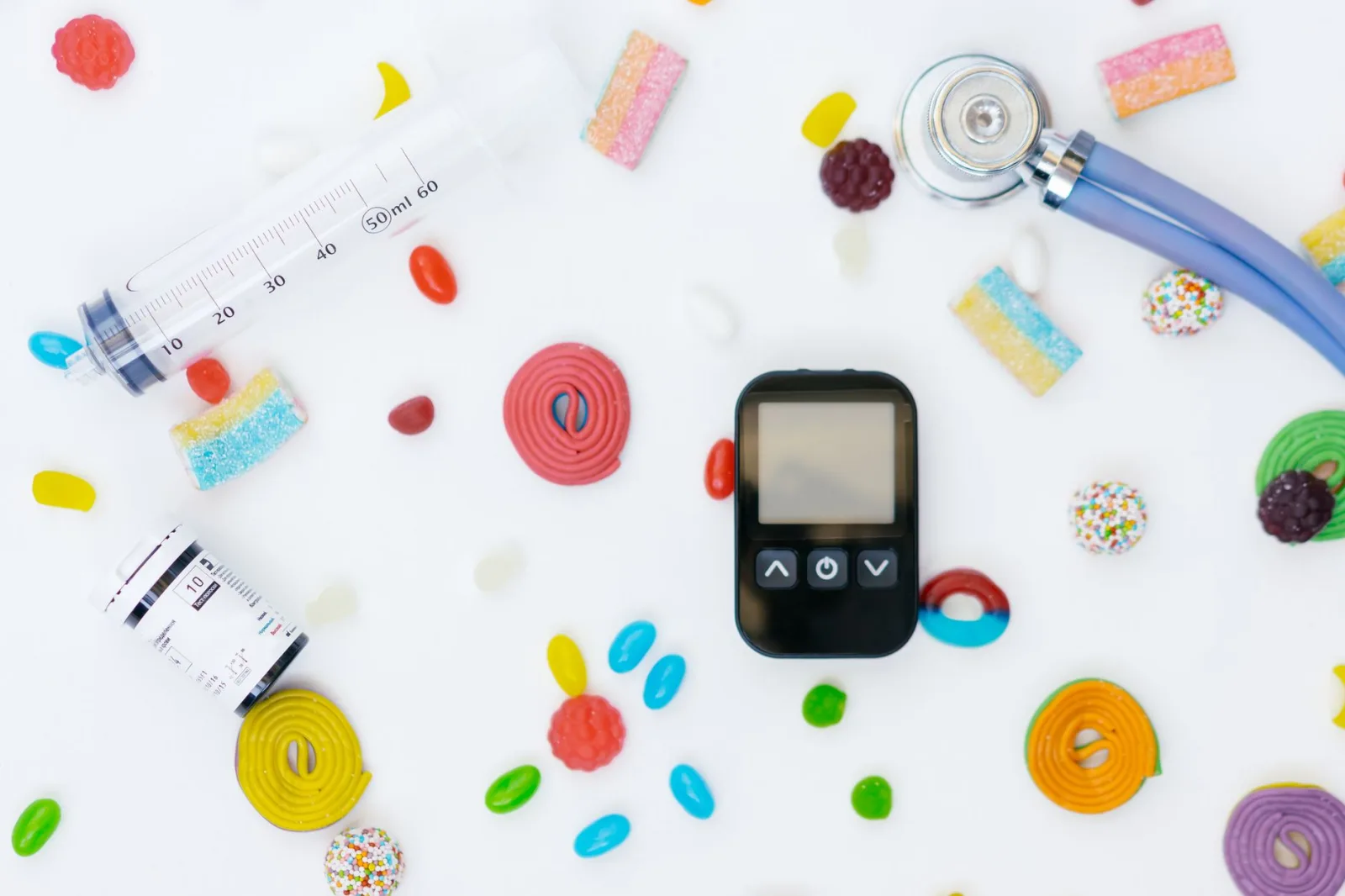
Type 2 Diabetes Management: What Primary Care Can Do For You
Type 2 diabetes management isn't about a miracle prescription — it's about steady follow-up and changes patients can actually sustain. Here's what that looks like in practice.