
High Blood Pressure: Why It's Called the 'Silent Killer' and How to Control It
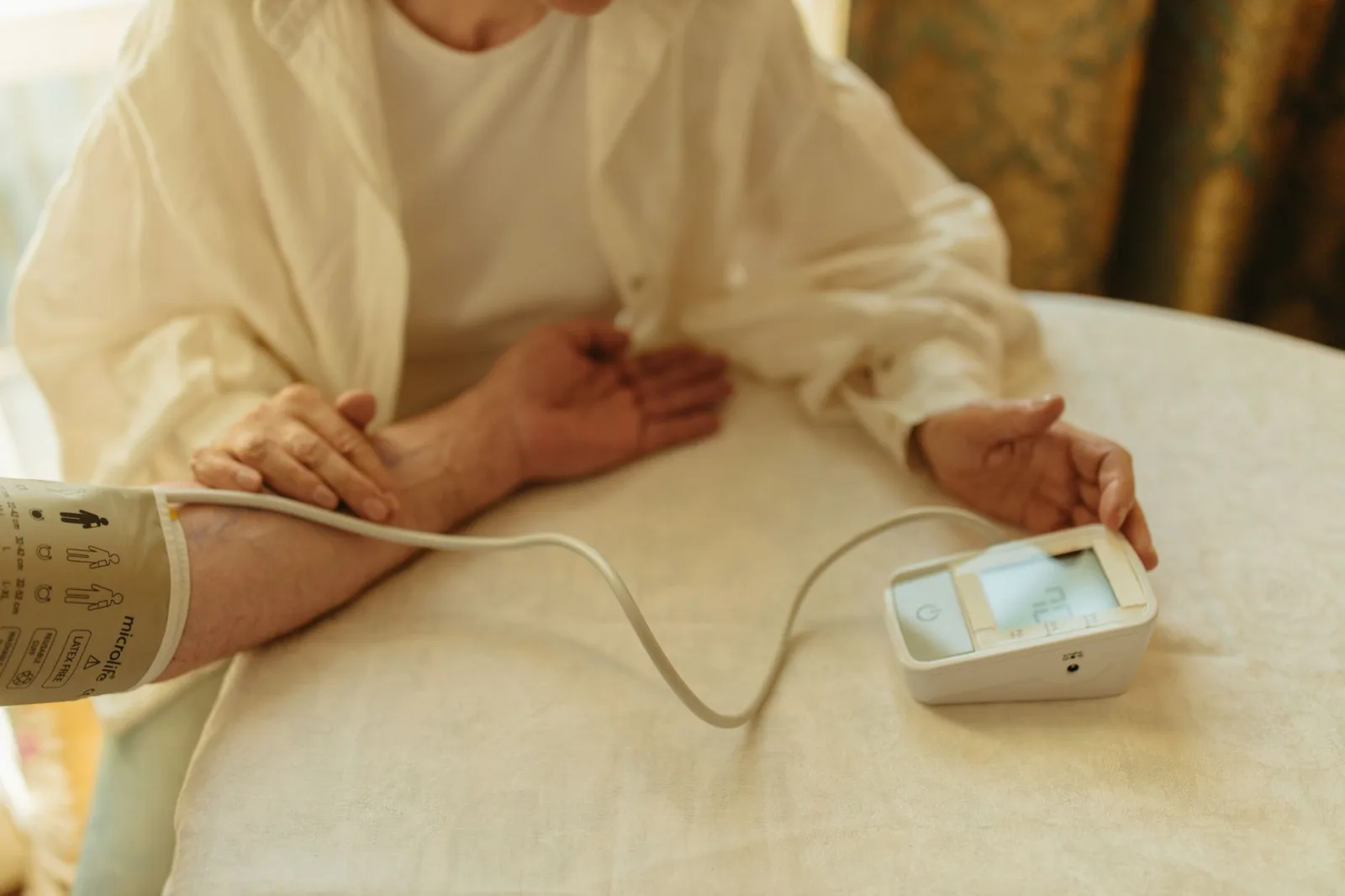
High blood pressure kills more people than many diseases that actually give warning signs, and it does so precisely because it almost never hurts. There's no constant headache, no daily dizziness, nothing that pushes you to see a doctor. That's why it's called "the silent killer": it moves forward quietly while damaging your heart, kidneys, eyes, and brain.
Why high blood pressure doesn't give you a heads-up
In most cases, high blood pressure has no symptoms of its own. You could have a reading of 150/95 and feel perfectly fine. Your body adjusts to that elevated pressure little by little, so it doesn't send out emergency signals the way it would with a broken bone or a serious infection.
The problem is that while you feel normal, your arteries are slowly stiffening, your heart is working harder than it should, and your kidneys are gradually filtering less efficiently. By the time a symptom finally shows up—a heart attack, a stroke, kidney failure—the damage has already been building for years.
Who has it without even knowing?
Far more people than you'd think. Some live for years with high blood pressure and only find out by chance, during a routine checkup or a visit for something completely unrelated. It's not just an age thing: while it's more common after 40, it also shows up in younger adults, especially when there's a family history, excess weight, or a very sedentary lifestyle.
The only real way to know if you have it is to check your blood pressure. There are no shortcuts, no symptoms that can substitute for that number.
What high blood pressure actually damages
When blood pressure stays elevated for a long time, it doesn't just affect one organ—it affects several at once.
- Heart: it enlarges and weakens from the extra strain, raising the risk of heart failure and heart attack.
- Brain: damaged arteries can rupture or become blocked, leading to a stroke.
- Kidneys: they gradually lose their ability to filter blood and, over time, can fail.
- Eyes: blood vessels in the retina get damaged, which can affect vision.
None of this damage happens overnight. It builds up silently, year after year, while blood pressure stays uncontrolled.
How to know if you have high blood pressure
The only reliable way is to check your blood pressure regularly. One reading isn't enough to assume the issue is settled, because blood pressure fluctuates depending on the day, stress levels, sleep, or even whether you just had a cup of coffee.
Ideally, you should:
- Get checked at least once a year if you're a healthy adult, and more often if you have risk factors.
- Keep track of your readings if you've been told your numbers are borderline.
- Not rely on how you feel—as we've seen, high blood pressure rarely gives clues.
A normal reading is around 120/80. Once it consistently climbs above 130/80, it's time to pay attention.
How to control high blood pressure
The good news is that high blood pressure can be controlled, and in many cases prevented, through changes that don't require medication. In other cases, medical treatment is necessary and there's no way around it: it's not a matter of willpower, it's a matter of biology.
Changes that actually make a difference
- Cutting back on salt: this is one of the biggest factors influencing blood pressure. Cooking with less salt and avoiding ultra-processed foods helps a lot.
- Moving more: walking for 30 minutes most days lowers blood pressure in a measurable way.
- Managing your weight: losing even a few extra pounds eases the load on your heart.
- Sleeping well: chronic poor sleep is directly linked to high blood pressure.
- Moderating alcohol: frequent drinking raises blood pressure over time.
- Managing stress: it won't fix everything, but it does reduce frequent pressure spikes.
When medication is necessary
If your doctor prescribes medication for your blood pressure, taking it every day matters just as much as any lifestyle change. Many people stop taking it once they start feeling fine, assuming they no longer need it—and that's exactly when the "silent killer" goes back to work without anyone noticing.
Treatment isn't something you take for a while and then drop; it requires ongoing commitment, just like regularly checking your blood pressure.
The first step is simple
You don't need to wait until something feels off to get checked. High blood pressure is detected through a reading, not through symptoms. If you haven't had your blood pressure checked in the past year, that's the real first step toward protecting your heart, your kidneys, and your future.
Keep reading

Nutrition Tips for a Healthier Heart
Small, consistent changes to what you eat can lower your risk of heart disease over time. Here's where to start.
Type 2 Diabetes Management: What Primary Care Can Do For You
Type 2 diabetes management isn't about a miracle prescription — it's about steady follow-up and changes patients can actually sustain. Here's what that looks like in practice.