
Type 2 Diabetes Management: What Primary Care Can Do For You
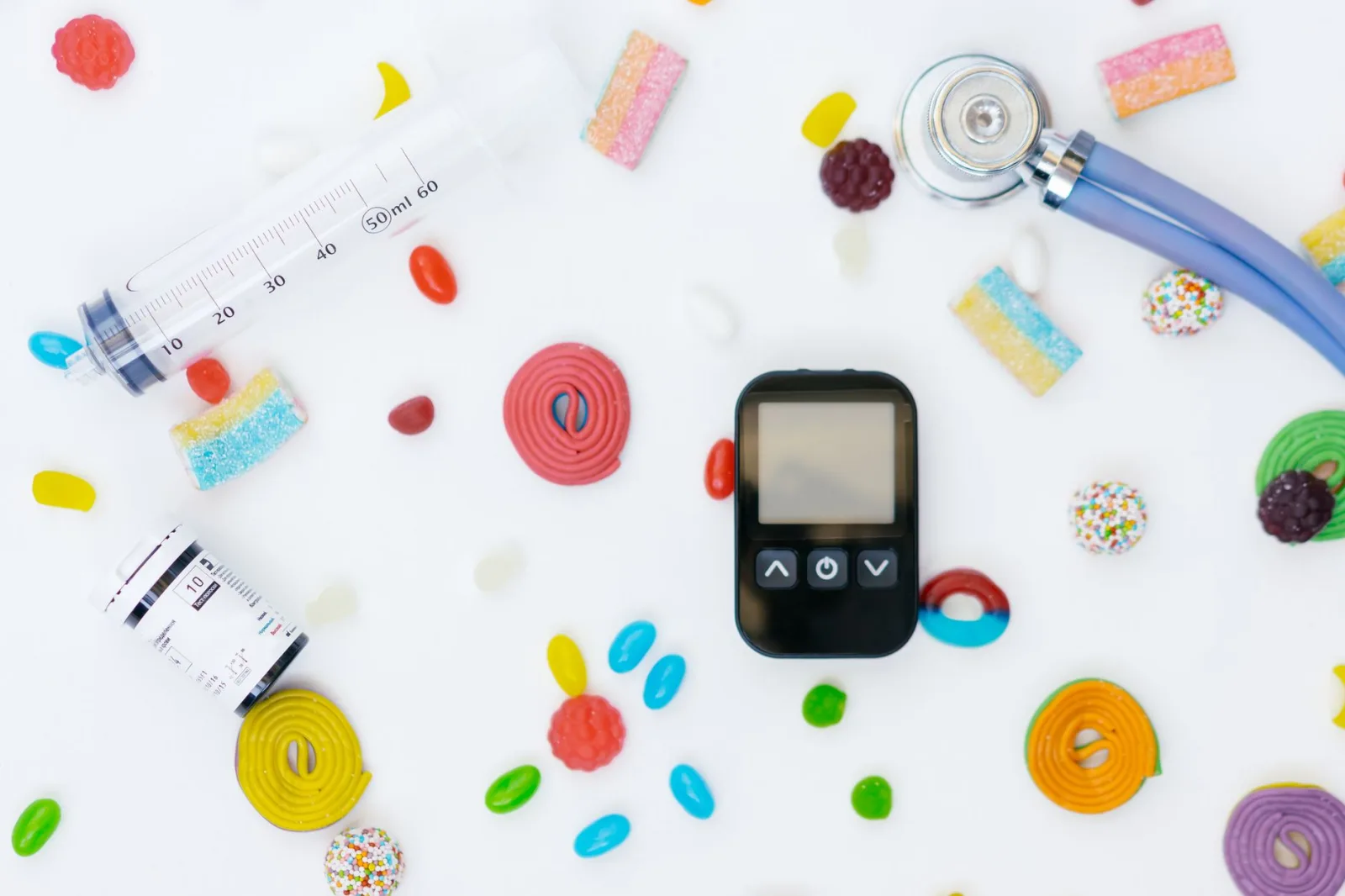
Type 2 diabetes management doesn't come down to a single doctor's visit or a miracle prescription. It depends on consistent follow-up, gradual adjustments, and decisions that patients can actually stick with in daily life. At New Horizons Primary Care we see this every week: the people who manage to control their diabetes are the ones who maintain a close relationship with their care team, not the ones chasing quick fixes.
What "managing" type 2 diabetes actually means
Managing type 2 diabetes isn't just about lowering a number on a blood test. It's about reducing the risk of long-term complications: vision problems, kidney damage, heart disease, loss of sensation in the feet. The number on the glucometer matters, but it's just one indicator among several.
That's why primary care follow-up isn't limited to checking hemoglobin A1c (HbA1c) every three to six months. It also means checking blood pressure, cholesterol, weight, kidney function, and foot health at every relevant visit.
How often you're checked matters
If diabetes is well controlled and stable, check-ups every six months are usually enough. If there have been recent medication changes, if glucose levels are unstable, or if other health issues have come up, visits need to be more frequent. There's no single rule — it depends on how each person is responding.
What stays constant is the need to not let months go by without contact with your doctor "because you feel fine." Type 2 diabetes progresses quietly. Symptoms show up once damage has already occurred, and by then it's much harder to reverse.
The role of medication in type 2 diabetes management
Metformin remains, in most cases, the first medication prescribed. But treatment doesn't stop there. Depending on how each patient progresses, other medications may be added that help not only lower glucose but also protect the heart and kidneys.
This is where regular follow-up becomes key: a medication that worked well a year ago might need adjusting today. The body changes, weight changes, other health conditions come up. Adjusting the dose or switching medications isn't a treatment failure — it's a normal part of the process.
Something we emphasize a lot in appointments: don't stop or change your medication on your own, even if your glucose levels look good for a while. That almost always leads to a setback.
Lifestyle changes: sustainable habits, not crash diets
Diet and physical activity are a core part of type 2 diabetes management, but they only work when they're realistic. Telling someone to cut out carbs completely or walk an hour a day starting on day one almost never works long-term.
What actually gets results:
- Reducing portions of refined carbs instead of cutting them out entirely
- Including more vegetables and protein in every meal
- Walking 20 to 30 minutes most days, even if not every single day
- Cutting back on sugary drinks, one of the highest-impact and easiest changes to make
- Getting enough sleep, since rest directly affects how the body processes glucose
It's not about perfection. It's about sustaining small changes over months and years — that's exactly what makes the difference in outcomes.
Weight matters, but it's not the only thing
Losing 5% to 10% of body weight can noticeably improve glucose control for many people with type 2 diabetes. But setting "lose a lot of weight fast" as the goal usually leads to frustration and giving up. Small, measurable goals reviewed at each visit work better than a distant ideal number.
Why primary care follow-up makes the difference
Type 2 diabetes management works better when one person or team knows the patient's full history: which medications have been tried, what's worked, what lifestyle changes are realistic for their routine. That continuity is what allows treatment to be adjusted in time, before complications show up.
It's also the space where real questions get answered: what to eat at a family gathering, how to adjust treatment when traveling again, what to do if glucose drops too low. Those practical questions, more than general theory, end up determining whether someone manages to control their diabetes or not.
If it's been a while since you checked in on your diabetes control, or if you feel like your current treatment no longer fits how you feel, scheduling a visit is the first step. Type 2 diabetes management is built over time, with constant adjustments and someone close by to guide the process.
Keep reading
High Blood Pressure: Why It's Called the 'Silent Killer' and How to Control It
High blood pressure rarely causes symptoms, which is exactly why it's so dangerous. Here's how to catch it early and keep it under control.

Nutrition Tips for a Healthier Heart
Small, consistent changes to what you eat can lower your risk of heart disease over time. Here's where to start.