
Recognizing and Managing Everyday Anxiety and Stress
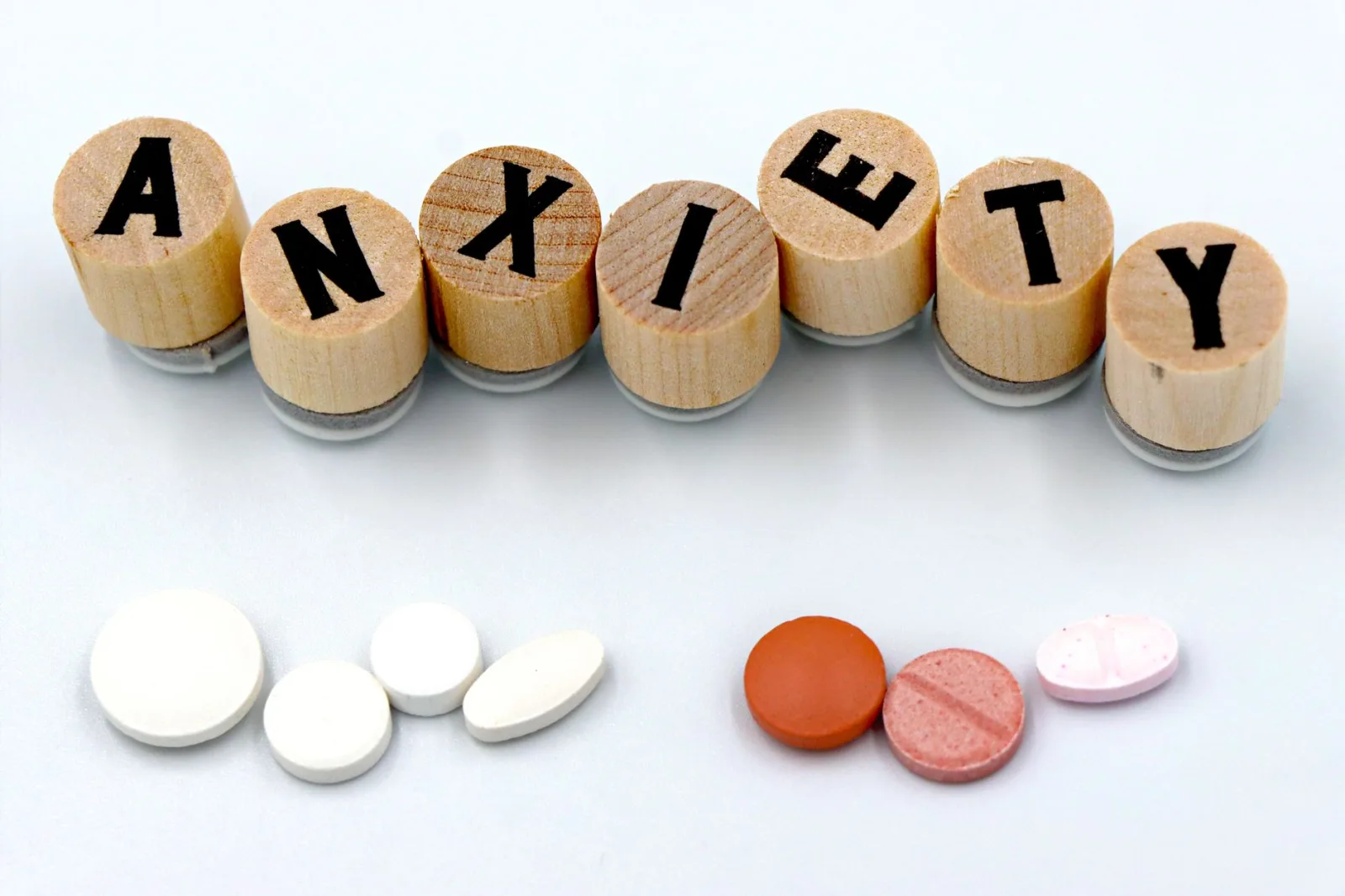
Most people think of anxiety as something you either "have" or "don't have," something that requires a therapist, a psychiatrist, or a diagnosis. But for a lot of people, anxiety shows up in smaller, everyday ways: a racing mind before a big meeting, trouble sleeping during a stressful month, a tight chest when the bills pile up. These moments don't always need specialized care. Often, the first and most useful place to talk about them is your primary care doctor's office. If you're looking for anxiety management tips that actually fit real life, that conversation is a good place to start.
What Everyday Anxiety Actually Looks Like
Anxiety doesn't always announce itself clearly. Sometimes it looks like physical symptoms: headaches, stomach issues, muscle tension, fatigue, or a racing heart. Sometimes it looks like behavior changes: avoiding phone calls, procrastinating on tasks you used to handle easily, snapping at people you love, or lying awake running through worst-case scenarios.
Stress and anxiety overlap a lot, but they're not identical. Stress usually has a clear cause — a deadline, a conflict, a financial pressure — and tends to ease once that cause resolves. Anxiety can linger even when there's no obvious trigger, or it can stick around well after the stressful event has passed. Recognizing which one you're dealing with (or if it's a mix of both) helps shape what kind of help actually makes sense.
Why Start With Your Primary Care Doctor
A lot of people assume mental health concerns belong only with a therapist or psychiatrist, and skip mentioning them to their regular doctor altogether. But primary care is often the right starting point, especially for mild to moderate anxiety and everyday stress, for a few practical reasons:
- They know your health history. Thyroid issues, hormonal changes, certain medications, and sleep disorders can all mimic or worsen anxiety. Your primary care doctor can rule these out before assuming it's "just stress" or "just anxiety."
- They can screen and assess. Simple, validated questionnaires can help determine whether what you're feeling falls into a mild, moderate, or more severe range, which guides what kind of support makes sense next.
- They can start treatment directly. For mild to moderate anxiety, many primary care doctors can discuss lifestyle changes, short-term coping strategies, and when appropriate, medication options, without requiring a referral first.
- They know when to refer. If your anxiety is more complex or severe, your doctor can point you toward a therapist or psychiatrist and often help coordinate that care.
In other words, you don't need to have it all figured out before bringing it up. Saying "I've been feeling anxious lately and I'm not sure what to do about it" is a completely normal thing to say at a primary care visit.
Anxiety Management Tips That Actually Help
Once anxiety or stress is on the table, your doctor can walk through practical, everyday anxiety management tips tailored to your situation. Some of the most common and effective ones include:
- Protecting sleep. Poor sleep and anxiety feed each other. Small changes — consistent wake times, less screen time before bed, cutting caffeine after midday — can make a noticeable difference within a couple of weeks.
- Moving your body regularly. Exercise doesn't need to be intense to help. Even a daily 20-minute walk has a measurable effect on anxiety symptoms over time.
- Limiting alcohol and caffeine. Both can worsen anxiety symptoms, especially in higher amounts or later in the day.
- Practicing grounding techniques. Simple breathing exercises or naming five things you can see, hear, and feel can interrupt a spiral of anxious thoughts in the moment.
- Setting realistic limits. Chronic overcommitment is one of the most common, and most overlooked, drivers of everyday stress.
These aren't magic fixes, and your doctor will usually be upfront about that. But they're the foundation that makes everything else — therapy, medication, or simply riding out a hard season — work better.
When Medication Might Be Part of the Conversation
For some people, lifestyle changes alone aren't enough, and that's completely normal. Depending on your symptoms and history, your primary care doctor may discuss short-term or longer-term medication options. This isn't a sign that your anxiety is "worse" than someone else's — it's simply another tool, and for many people it makes a real difference in day-to-day functioning.
When It's Time for More Support
Primary care is a great starting point, but it's not meant to replace specialized mental health care when it's needed. Your doctor can help you recognize signs that point toward therapy or psychiatric care, such as symptoms that interfere significantly with work or relationships, panic attacks, or anxiety that hasn't improved despite consistent effort. The goal isn't to handle everything in one visit — it's to make sure you're not navigating it alone or guessing at what to try next.
Bringing It Up Is the Hardest Part
If you've been carrying stress or anxiety quietly, waiting for it to feel "serious enough" to mention, that threshold doesn't really exist. Everyday anxiety is worth talking about long before it becomes overwhelming. A conversation with your primary care doctor costs you very little and can open the door to anxiety management tips, screening, and support that actually fit your life — not a generic checklist pulled from the internet.
At New Horizons Primary Care, these conversations happen regularly, and they start the same simple way: by naming what you've been feeling and asking what might help.
Keep reading

Adult Immunization Schedule: Vaccines You Might Be Missing
Most adults assume they're caught up on vaccines once childhood shots are done. Here's what the adult immunization schedule actually recommends by age and health status.

High Blood Pressure: Why It's Called the 'Silent Killer' and How to Control It
High blood pressure rarely causes symptoms, which is exactly why it's so dangerous. Here's how to catch it early and keep it under control.

Nutrition Tips for a Healthier Heart
Small, consistent changes to what you eat can lower your risk of heart disease over time. Here's where to start.

Type 2 Diabetes Management: What Primary Care Can Do For You
Type 2 diabetes management isn't about a miracle prescription — it's about steady follow-up and changes patients can actually sustain. Here's what that looks like in practice.